Source Bed Sheet Folder Machine for Hotels, Hospitals, and Laundries
Find and compare 30 automatic bed sheet folder machines designed for hotels, hospitals, and commercial laundries. These electric units feature CE certification and ISO standards, offering customizable folding speeds and dimensions to streamline linen processing operations efficiently; compare the available evidence and request quotations based on your requirements.
Key considerations
Products List




Comprehensive Sourcing Guide
Bedsheet Folder Machine Sourcing Guide
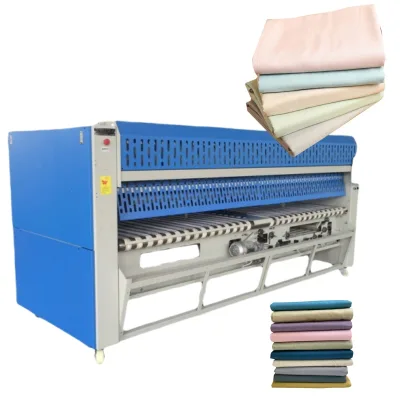
The global market for automated bedsheet folding equipment presents a diverse range of solutions tailored for high-volume laundry operations, hotels, and healthcare facilities. Current listings indicate a strong presence of automatic folding machines designed specifically for bed sheets and covers, with observed models ranging from compact units to large-scale industrial systems. Buyers should note that these machines often integrate ironing and folding functions, streamlining the post-wash workflow to reduce manual labor and increase throughput efficiency.
Procurement decisions must account for the specific operational environment, as observed listings highlight variations in machine dimensions and power requirements. Some units are engineered for hospital-grade hygiene with specific folding layer capacities, while others target general hotel use with different speed parameters. Understanding the distinction between these applications is critical, as the physical footprint and electrical specifications, such as 380V/50Hz power sources, vary significantly between models like the ZD series and the DL-F1200.
Product Scope and Observed Listing Signals
Buyers must carefully evaluate the observed price range, which spans from 1,000 to 85,000 USD, reflecting the vast difference between entry-level and fully automated industrial systems. This wide variance suggests that price alone is not a reliable indicator of capability without verifying the specific model features, such as the inclusion of engine components or the maximum folding layers supported. A lower price point may correspond to a single-item unit with basic functionality, whereas higher costs often correlate with complex automation and higher production capacities.
Listing signals also reveal significant diversity in machine dimensions and physical specifications, with some units measuring up to 12 meters in length and others designed for tighter spaces. The observed data indicates that packing methods vary, with some suppliers offering wooden cases while others use wooden boxes, which impacts shipping logistics and protection during transit. Buyers should scrutinize the "Marketing Type" and "Brand" fields, as some listings describe products as ordinary while others emphasize customizability, requiring a clear definition of the required customization level before finalizing a purchase.
Technical Specifications to Verify
Technical verification begins with confirming the electrical source and power consumption, as observed listings frequently cite 380V/50Hz requirements and power ratings around 2kw. It is essential to ensure that the facility's electrical infrastructure can support these specific voltage and frequency standards to prevent operational failures or equipment damage. Additionally, the fuel type is consistently listed as electric, meaning buyers must verify the availability of compatible power supplies and the necessary cabling infrastructure for the specific machine model selected.
Speed and capacity metrics are equally critical, with observed data showing folding speeds ranging from 0 to 50 pieces per minute and varying maximum folding layers. Buyers must match these performance figures against their daily throughput requirements, noting that some models are optimized for specific inlet pressures or dimensions like 12mm inlet diameters. The physical dimensions, including length, width, and height, must be cross-referenced with available floor space, as some units exceed 4 meters in length and require significant operational clearance for safe and efficient use.
Compliance and Safety Documentation
Safety and compliance documentation is a primary concern, with observed listings frequently citing CE certification and ISO9001 standards as key quality indicators. Buyers should request official certification documents to verify that the machine meets the specific safety regulations required for their region, as the presence of these marks on a listing does not guarantee current validity or scope. The combination of CE and ISO certifications suggests a baseline of adherence to international safety and quality management systems, which is particularly important for machinery operating in high-traffic commercial environments.
Beyond general certifications, buyers must verify the availability of machinery test reports, which are listed as provided for certain models. These reports offer empirical evidence of the machine's performance and safety under load, serving as a crucial verification step before installation. The warranty terms, often listed as one year, should be reviewed in conjunction with the test reports to understand the manufacturer's confidence in the product's durability. Ensuring that all safety documentation is current and comprehensive is vital for maintaining regulatory compliance and protecting the investment.
Cost Drivers and Commercial Terms
The commercial landscape for these machines is influenced by several cost drivers, including the level of automation, the inclusion of core components like engines, and the extent of customization available. Listings indicate that customization is available, which can significantly impact the final price and lead time, as bespoke configurations require additional engineering and manufacturing resources. Buyers should clarify whether the quoted price includes the cost of custom modifications or if these are billed separately to avoid unexpected budget overruns.
Minimum Order Quantity (MOQ) and selling units are observed to be flexible, with many listings showing an MOQ of 1 and selling units as single items. This flexibility allows buyers to procure a single unit for pilot testing or small-scale operations without committing to large bulk orders. However, the wide price range suggests that economies of scale may apply to larger orders, and buyers should negotiate based on the specific model and customization needs. Understanding the total cost of ownership, including potential shipping costs for wooden case packing, is essential for accurate budgeting.
Supplier Qualification and Quality Control
Supplier qualification requires a thorough review of the production origin and capacity, with observed data pointing to manufacturers in Taizhou, Jiangsu, and Henan, China. Buyers should verify the specific production capacity, such as the 50m/min rate mentioned in some listings, to ensure the supplier can meet delivery timelines and volume requirements. The location of the factory can also influence shipping costs and lead times, making it a key factor in the overall procurement strategy and supply chain planning.
Quality control processes must be validated through the supplier's adherence to standards like ISO9001 and their ability to provide detailed machinery test reports. Buyers should request evidence of the quality control measures implemented during the manufacturing process, including how the machine's condition is verified as new before shipment. The availability of a warranty and the supplier's responsiveness to technical inquiries are also indicators of their commitment to quality. Establishing a clear communication channel for post-sales support is crucial for maintaining machine performance and addressing any operational issues promptly.
Long-Term Procurement Checks
Long-term procurement success depends on verifying the availability of spare parts and the durability of core components like the engine. Buyers should inquire about the expected lifespan of critical parts and the supplier's policy on part replacement to ensure minimal downtime during the machine's operational life. The warranty period, typically one year, should be understood as a baseline, with discussions needed regarding extended service agreements or maintenance contracts for long-term reliability.
Finally, buyers must assess the machine's adaptability to future operational changes, such as increased production volumes or changes in sheet types. The observed customization options suggest that some machines can be modified, but buyers should confirm the feasibility and cost of future upgrades. Regular maintenance schedules and the availability of technical support are essential for sustaining performance over time. Establishing a proactive maintenance plan based on the machine's specific specifications will help maximize the return on investment and ensure consistent folding quality.
FAQs
How does a bedsheet folder machine work?
A bedsheet folder machine feeds a sheet through rollers and cross-folding sections that fold it into finished layers automatically. Operators adjust folding patterns and speed on a control panel, and the machine stacks folded sheets at the output. Models like the ZD3000V handle 3000mm-wide sheets at up to 50 pieces per minute for laundry operations.
What power supply does a bedsheet folder machine require?
Most listed bedsheet folder machines run on a 380V/50Hz three-phase electrical supply with power around 2kW. Confirm your facility's wiring matches this voltage before ordering, since these are electrically powered industrial machines. Customization is available, so suppliers can often accommodate regional electrical requirements when you specify them during ordering.
Can a bedsheet folder machine be customized for different sheet sizes?
Yes, customization is available on the listed machines. Suppliers offer adjustable folding widths and configurations to match different sheet dimensions, with models covering 3000mm widths. Discuss your typical sheet sizes, folding layer requirements such as 5/32 maximum layers, and output expectations with suppliers so the configuration suits your laundry or hotel operation.
Which certifications should a bedsheet folder machine have?
Listed bedsheet folder machines carry CE certification and ISO9001 quality management standard compliance. These certifications indicate the machine meets European safety directives and internationally recognized manufacturing quality processes. Always request certificate copies from suppliers before purchase, and ask for the machinery test report, which is typically provided with new automatic folding machines.
What is the packaging and delivery condition for a bedsheet folder machine?
Bedsheet folder machines are packed in wooden cases or wooden boxes for secure transport, and units are sold as new condition single items. Wooden packaging protects the frame, rollers, and electrical components during international shipping. Confirm with suppliers whether assembly instructions, commissioning support, and a one-year warranty apply to your order before finalizing terms.
Where are bedsheet folder machines manufactured?
Listed bedsheet folder machines originate from China, including Taizhou in Jiangsu province and Henan province. These regions host many textile and laundry equipment factories. When sourcing, compare supplier locations since this affects shipping cost, lead time, and the convenience of factory visits or after-sales service arrangements for your business.
How fast can a bedsheet folder machine fold sheets?
Listed bedsheet folder machines operate at speeds up to 50 pieces per minute, with folding capacity around 50 meters per minute for continuous feeding. Actual output depends on sheet size, material, and the number of folding layers selected. Automatic models maintain consistent speed during long shifts, which suits hotel and hospital laundry volumes.
What warranty comes with a bedsheet folder machine?
Listed bedsheet folder machines include a one-year warranty covering manufacturing defects under normal operation. Verify exactly which components, such as the engine and core mechanical parts, are included and what conditions void coverage. Ask suppliers about spare parts availability and technical support after the warranty period, especially when importing from overseas manufacturers.